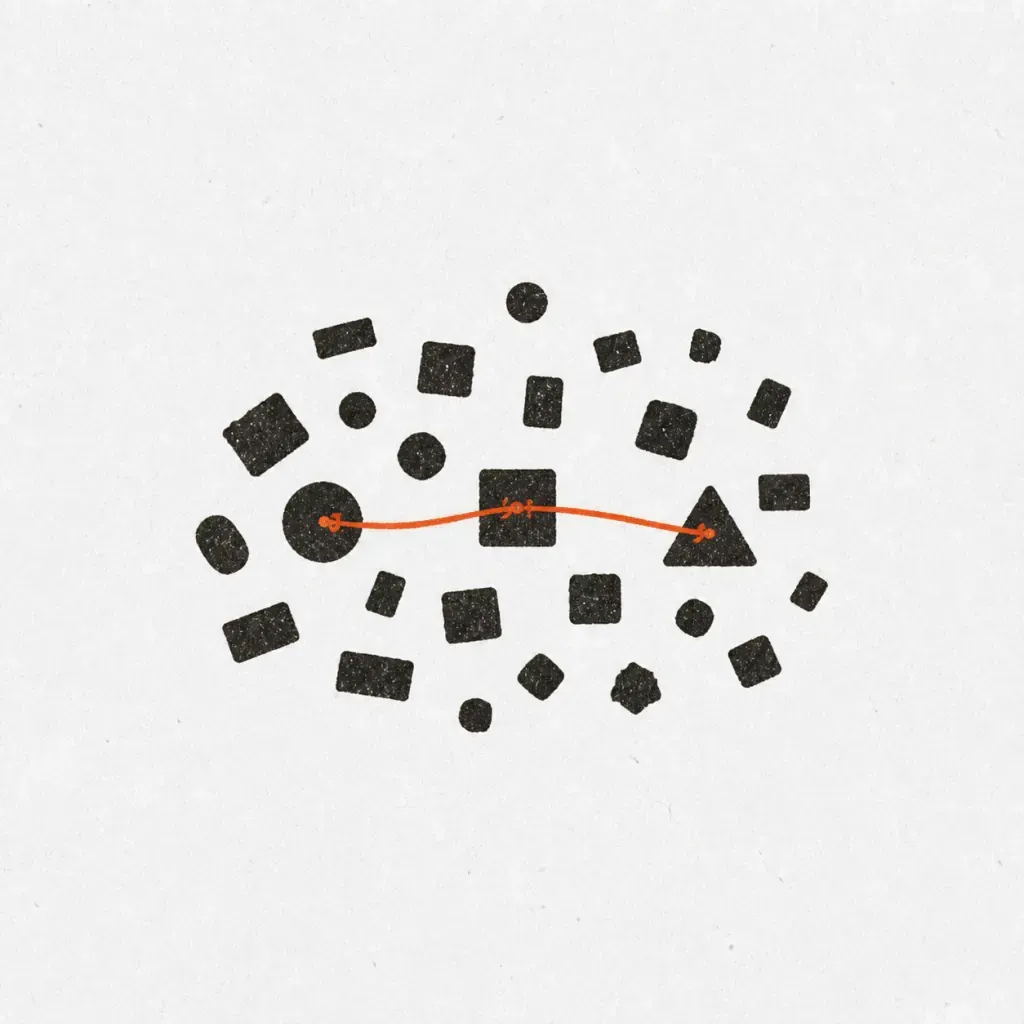
Most backlogs begin as a sensible place to avoid losing ideas. Then customer requests, bugs, experiments, technical debt, and half-formed features collect in the same list. The list gets longer, but the next decision does not get easier.
The backlog is inventory, not direction
A backlog answers “what might matter?” A build plan has to answer a harder question: “what are we willing to finish now, and what are we deliberately leaving untouched?” Treating those as the same thing creates three familiar problems.
- The oldest item looks important because it has survived for months.
- The most detailed item looks ready because someone already wrote acceptance criteria.
- The loudest request jumps to the top even when it points away from the product’s main promise.
None of those signals proves that the work belongs in the next build. Age measures waiting. Detail measures preparation. Volume measures attention. A plan needs evidence of value, a clear dependency boundary, and enough capacity to complete the outcome.
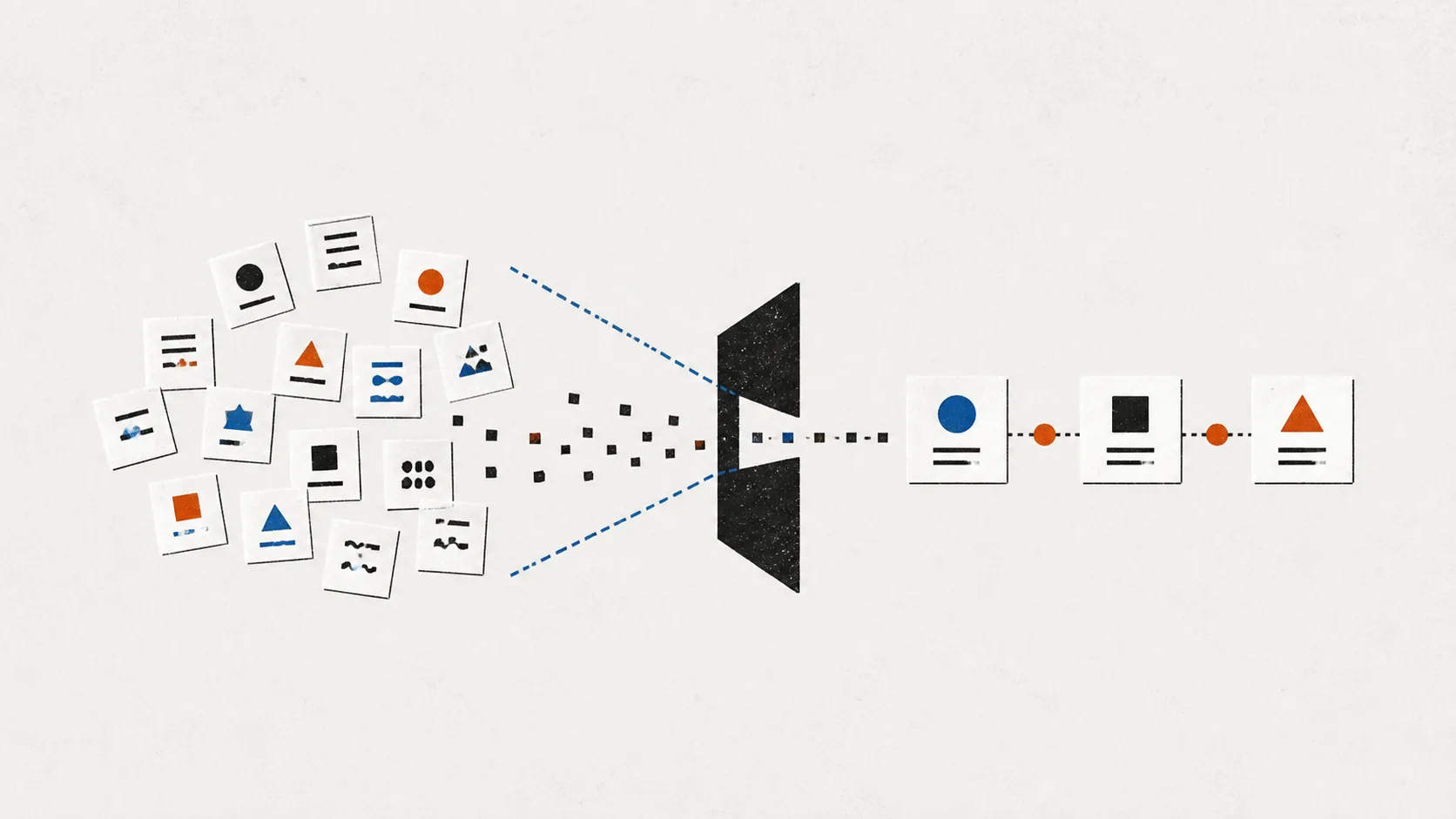
If everything in the backlog is a candidate for this week, the backlog is quietly making the decision for you.
A build plan needs five explicit parts
1. One promised outcome 🎯
Name the change the user should be able to experience when the work is done. “Improve onboarding” is a theme. “A new user can reach a useful first result without help” is an outcome you can test — the same kind of promise a good MVP is built to protect.
2. Evidence for acting now 🔍
Use something stronger than general enthusiasm: repeated support friction, a broken completion path, an observed workaround, failed activation, or a risky assumption that blocks the next decision.
3. A dependency boundary 🧩
Write down which data, states, interfaces, emails, analytics, permissions, and operational steps the change touches. This is how a three-day card stops becoming an invisible three-week project.
4. Honest capacity ⏳
Plan with the time that remains after support, maintenance, interruptions, and review. Capacity is not the number of empty hours on a calendar. It is the amount of focused work the system can actually absorb.
5. A stop rule 🛑
Define what “done enough to learn” means before building. Otherwise polish keeps expanding until the next important question is delayed again.
Planning rule
Commit to an outcome and a boundary, not a pile of individually reasonable tickets.The tickets are implementation detail. The complete result is the commitment.
Filter before you estimate
Estimation asks how long an item may take. Selection asks whether the item belongs in the active plan at all. I use the second question first.
| Question | A strong answer sounds like |
|---|---|
| Which user outcome changes? | One observable result for one current user group. |
| Why now? | Fresh evidence, a blocked decision, or a current product risk. |
| What must ship together? | The smallest connected set that leaves no broken bridge. |
| What stays out? | Named adjacent work that is deliberately deferred. |
| How will we know? | A specific behavior, test, metric, or reviewed artifact. |
| What does this unlock? | The next product decision, not merely the next feature. |
If an item has no strong “why now,” return it to inventory. If it cannot name what ships with it, map the dependencies. If it cannot name what stays out, the boundary is not ready. This is the test a generated plan fails most reliably: asked to ship in two weeks, it has no cut line to offer, because nothing in it was ever excluded.
Turn the outcome into one believable week
Here is one from this site, written the week I decided to give it tools an agent could call. The inventory was long: read tools, a tool that requests a seat at the table I host, discovery documents, a listing in the public registry, typed results, an integration suite. All of it defensible. Only one thing had to be true at the end of the week.
The week I opened this site to agents
- Outcome: an agent can learn when the next table is, and read any field note in full, without opening a browser.
- Active work: four read-only tools, the two discovery documents, and whatever it took to make a real client connect.
- Outside the boundary: the tool that requests a seat. Not because it was hard — because the form guards that action with a bot check that has nowhere to run inside a tool call, and I had not decided what replaces it. A design problem wearing a build problem's clothes.
- Acceptance evidence: a real MCP client, not my own script, connecting over the real protocol and completing every read call.
The seat request shipped eight days later, once the answer existed: a budget instead of a challenge, a preview before anything is written, and an email telling the applicant an agent asked in their name. Written into the plan in week one, it would have been built in week one — with whatever guard I invented at the time, under deadline, which is the worst possible moment to decide who is allowed to write to your database.
The deferred ideas may still be valuable. They simply do not answer the current question. Keeping them outside the plan protects enough time to finish the complete first-use loop and watch what users actually do.
Keep the backlog and the plan as two artifacts
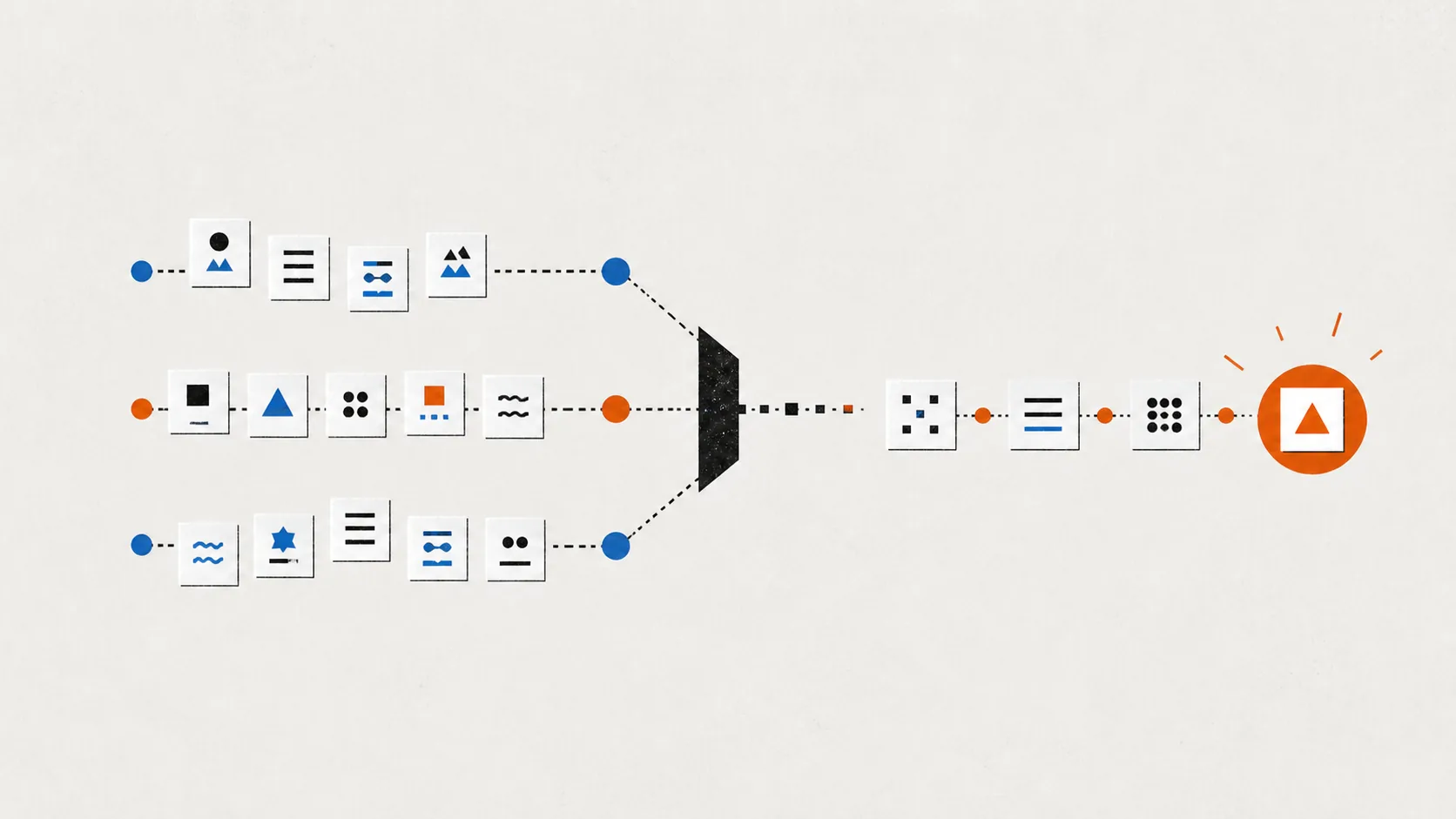
The simplest fix is not a better status column. It is separating possibility from commitment.
- Let the backlog stay broad.Store ideas, requests, risks, observations, and open questions without pretending they are scheduled.
- Keep the active plan small.Include only work tied to the current outcome, boundary, and acceptance evidence.
- Move evidence with the idea.When an item leaves the backlog, bring its source, assumptions, and dependencies into the plan.
- Return unfinished ideas honestly.If the outcome changes, put unrelated work back into inventory instead of carrying it forward by inertia.
- Review the decision weekly.Ask whether the evidence is still fresh and whether the active work still forms one complete result.
A backlog is useful because it remembers. A plan is useful because it excludes. Product progress gets clearer when each artifact is allowed to do its own job.
Reader response
Was this field note useful?
Make the next build smaller
Need a believable plan, not a longer backlog?
Apply for a Clarity SprintField notes by email
Thanks, you're on the list. ✓
Email signup did not go through. Please try again.
A short note when there is something worth sharing. No spam.