
Adding a feature feels productive because the roadmap gets fuller. Then the homepage needs another sentence, onboarding needs another branch, and the product takes longer to explain. That is usually the first sign that the scope has stopped serving the idea.
The real problem is not “too many features”
Size is not the real problem. A large product can feel obvious when its parts work toward the same result. A tiny product can feel scattered when each feature points in a different direction. I use three questions to tell the difference:
- Who is this product for right now?
- What meaningful progress can that person make with it?
- Why does each part need to exist for that progress to happen?
If those answers are fuzzy, roadmap debates turn into taste. Every suggestion sounds reasonable, so nothing has a clear reason to be first. The first two questions are not answered by thinking harder, either — they are answered by finding what the problem already costs someone.
A feature earns its place when it makes the main promise easier to keep for the person you are building for now.
Every feature creates work outside the screen
1. The decision surface 🧭
Before anyone writes code, you still need to decide where the feature lives, who gets it, what the default should be, and what happens when the user changes their mind. The card on the roadmap hides all of that.
2. The dependency surface 🕸️
Features rarely stay in one component. Add team workspaces and you have also changed permissions, billing, invitations, ownership, deletion, and support. The visible part may be a button. The actual change is a web.
3. The communication surface 💬
Someone has to explain the feature on the website, reveal it at the right moment in the interface, and answer questions when it behaves unexpectedly. If you cannot say why it exists in one plain sentence, users will feel that confusion too.
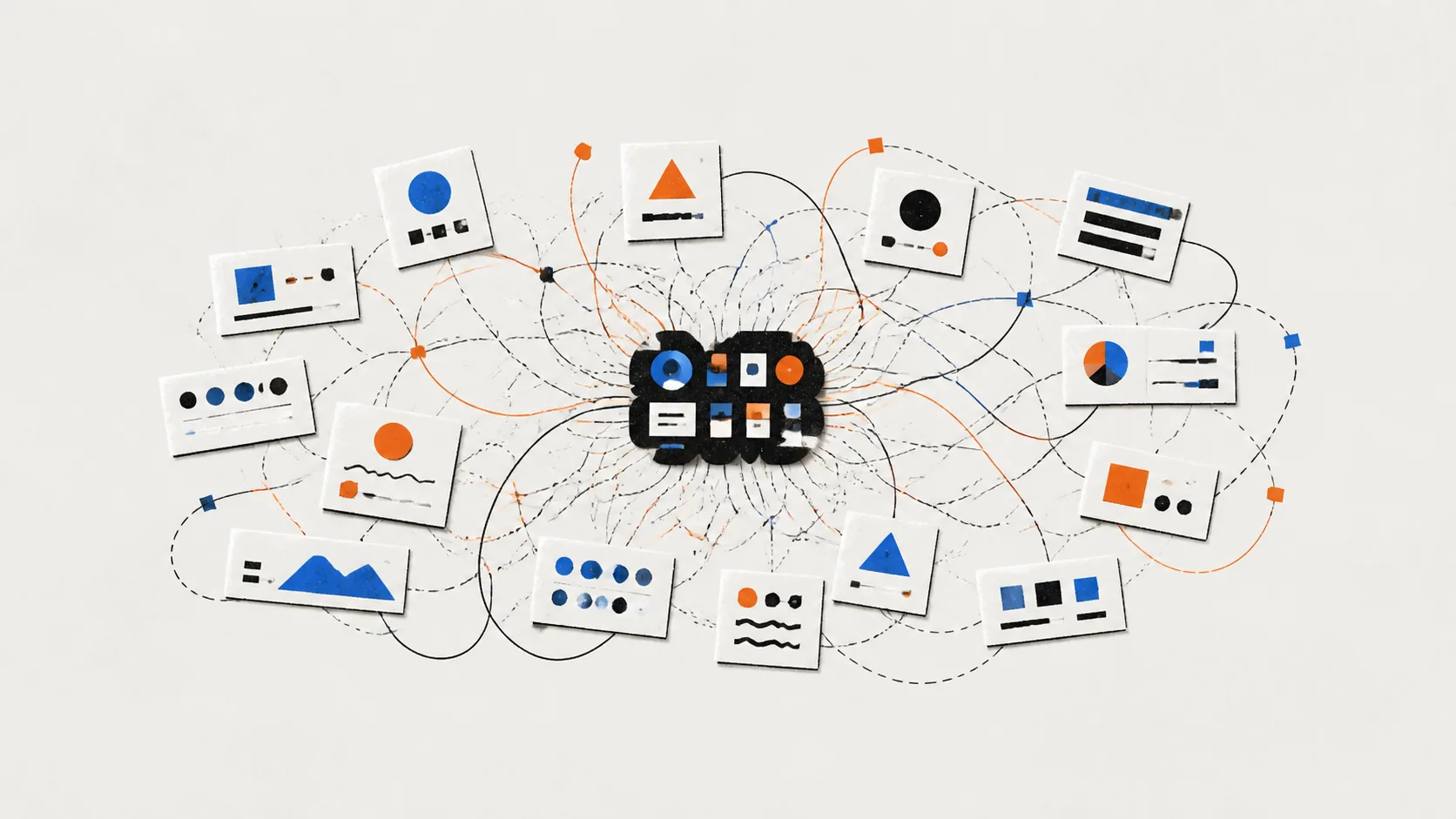
Working model
More scope × more connections = more ways to get the product wrong.Not a formula, just a useful warning: the eighth feature usually carries more baggage than the first.
Use a feature filter before a priority score
A score can rank ideas, but it cannot tell you whether they belong in the same product. I filter for fit first and worry about priority second.
| Question | Evidence to look for |
|---|---|
| Which user problem does it solve? | A repeated, specific obstacle, not a broad desire. |
| Which outcome does it improve? | A visible change in speed, confidence, quality, or completion. |
| At what moment is it needed? | A defined step in the core user journey. |
| What breaks if it is absent? | The core promise fails, or a key assumption cannot be tested. |
| What does it depend on? | Known data, states, permissions, flows, and operational work. |
| What can it replace? | An existing step, workaround, or lower-value feature. |
Vague answers mean the feature is not ready. Keep the problem, drop the proposed solution for now, and look for better evidence. A neat roadmap card is not evidence.
A practical example: the “complete” onboarding
Imagine a solo founder building a planning tool. Before launch, onboarding grows to include Google sign-in, invites, templates, a tour, profile settings, sample projects, and a progress dashboard.
None of those ideas is silly. Together they distract from the only question worth answering first: can someone turn a rough product idea into a plan they would actually use?
Protect the complete loop
- Describe the audience and the problem.
- Choose the smallest valuable outcome.
- Generate a connected first plan.
- Review what to build, cut, or clarify next.
If that loop works with email login and a blank page, the product already has a reason to exist. Templates can make it faster later. Teams can open a new market later. Neither should postpone the first honest test.
Cut scope without losing the product
Bad scope cuts whatever looks easiest until the deadline fits. Good scope keeps the user’s outcome intact and finds a simpler way to deliver it.
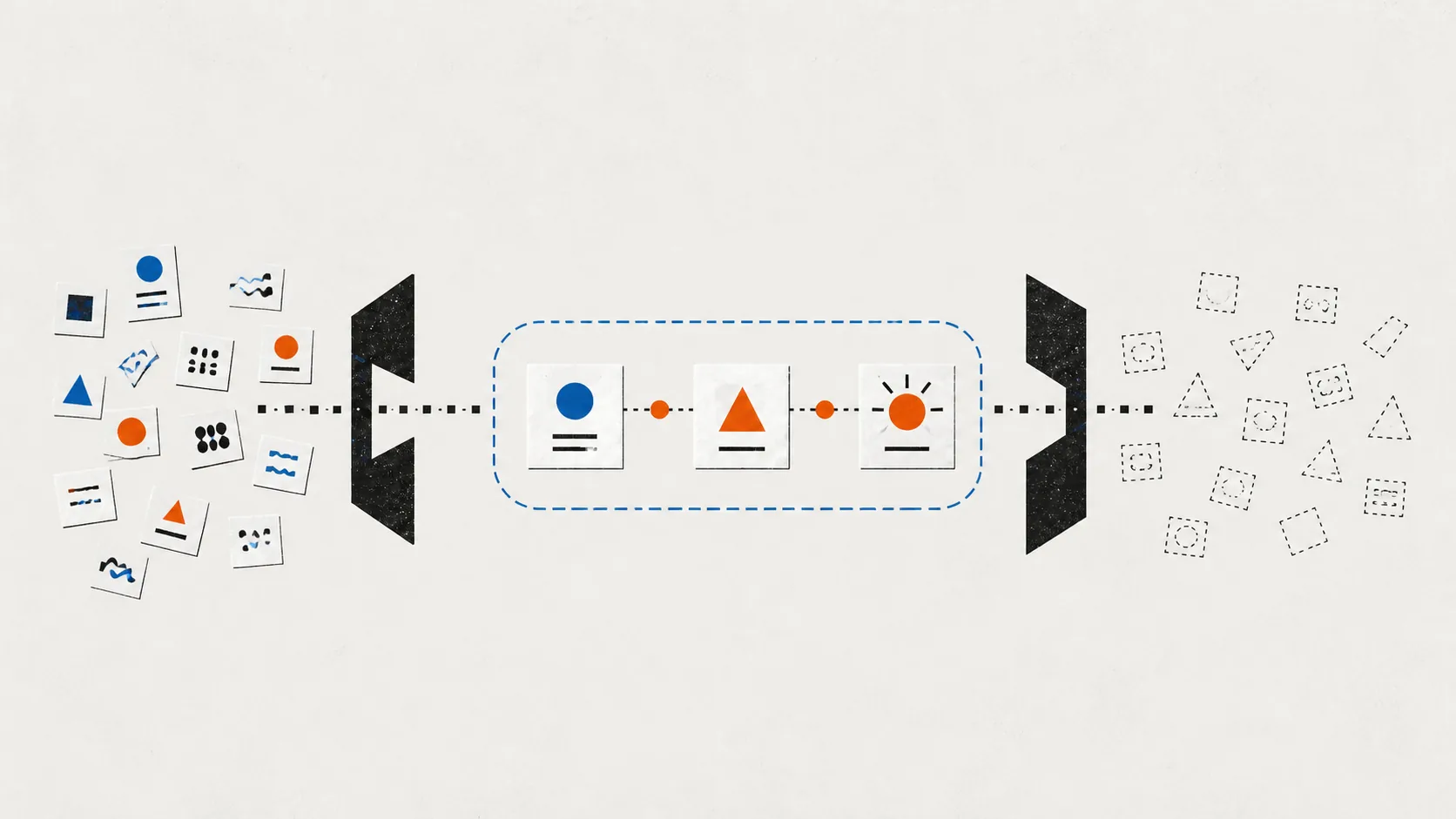
- Cut breadth before continuity.Serve one user and one main path completely instead of many users partially.
- Keep the problem; release the solution.Record the evidence behind an idea so a rejected implementation does not erase a real need.
- Prefer reversible decisions.Manual operations and simple defaults are often safer than premature automation.
- Name the cost of “later.”Deferred work needs a trigger for reconsideration, not an imaginary date.
- Review connections, not only cards.A small-looking feature with five dependencies may be the largest item on the board.
The goal is not to stay small forever. It is to build something whose parts make sense together. Once the main promise is clear, the product starts telling you which feature should come next.
Reader response
Was this field note useful?
Next in the path
You know what stays. Now put it in an order you can build.
Read the planning methodField notes by email
Thanks, you're on the list. ✓
Email signup did not go through. Please try again.
A short note when there is something worth sharing. No spam.